Malaysian football has been talking about reform for as long as most fans can remember. Committees formed, reports written, promises made. And then, largely, nothing.
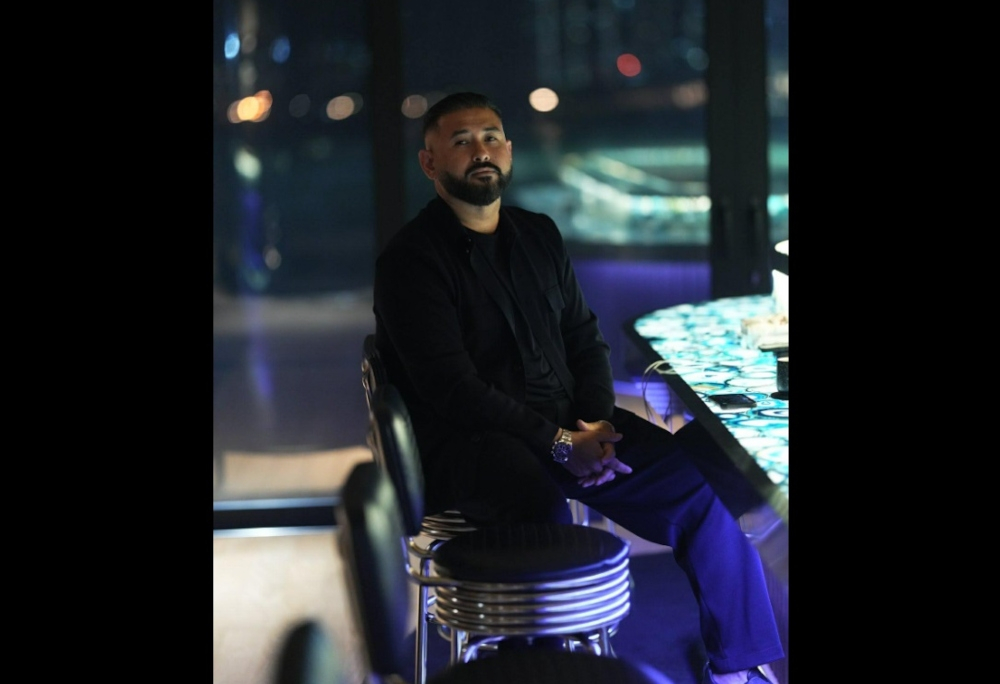
So when the Crown Prince of Johor – owner of JDT, the most successful club in Malaysian football history – turned up midway through a Malaysia Football League roundtable on Tuesday and put a formal working paper on the table, people paid attention. This was not another administrator promising change. This was the one man in Malaysian football who has actually delivered it.
Tunku Ismail Sultan Ibrahim addressed all 13 Super League clubs directly. CEOs, presidents, the lot. And he did not hold back.
“If we truly want to elevate our league, we must be brave enough to change,” he said. “We need a more open model that allows all parties, including supporters, to play a direct role in shaping the future of the game.”
Strong words. But what does he actually want? Let’s break it down.
The four problems he wants fixed
Tunku Ismail laid out four core issues. None of them are new. All of them have been ignored for too long.
Grassroots development. The foundation of any serious football nation is what happens at youth level. Malaysia’s grassroots system, by his own assessment, is not genuinely competitive. If you are not producing players from the bottom up, you are building on sand.
Professional referees. This one stings. “I have raised this since 2018,” he said. Seven years. Seven years of the same conversation, the same problem, the same result. His proposal – take refereeing out of federation control, privatise it, professionalise it – is not radical. It is what serious leagues do.
Sponsorship. Without commercial revenue flowing into the league, clubs will continue to operate hand to mouth. This is structural, not cyclical.
Financial discipline. And here is where it gets interesting. Rather than pointing the finger at the FAM or the MFL – which clubs in Malaysia have a habit of doing – Tunku Ismail turned the mirror around. “When financial issues arise, some parties shift the blame to FAM and MFL. But financial management lies with the clubs themselves.” Refreshingly blunt.
The session also touched on the foreign player import quota, which clubs want reviewed, and the league calendar, which by all accounts is a scheduling mess that needs a serious rethink.
Give the game back to the fans
This is the bit that will get people talking.
Tunku Ismail wants supporters to have a formal role in how Malaysian football is governed. He pointed to FC Barcelona as the model — a club owned by its members, where fans are stakeholders rather than spectators in the boardroom sense.
Now, Barcelona’s socios model has its own complications. But the principle — that the people who turn up every week, buy the shirts, and care most about the club should have some say in its direction — is one that Malaysian football has never seriously entertained.
“We need a more open model,” he said. “Give the game back to the fans.”
It is a line that will resonate well beyond Malaysia.
Why this feels different
Malaysian football has heard big promises before. The difference here is who is making them.
JDT under Tunku Ismail’s ownership have won 12 consecutive Super League titles. They reached the AFC Champions League Elite quarter-finals this season – the first Malaysian club to do so. Opta currently rank them first in Southeast Asia and tenth in Asia. He has built something that actually works.
When he says Malaysian football needs professional referees and better financial governance, he is not guessing. He is speaking from the experience of running the only club in the country that has consistently got it right.
Tuesday’s summit was called because clubs are worried. Several sides have raised serious concerns about whether the Super League is financially sustainable in its current form. That is the backdrop to everything Tunku Ismail said on Tuesday.
The question now is whether anyone in a position to act on it will.